
Meet the committee members
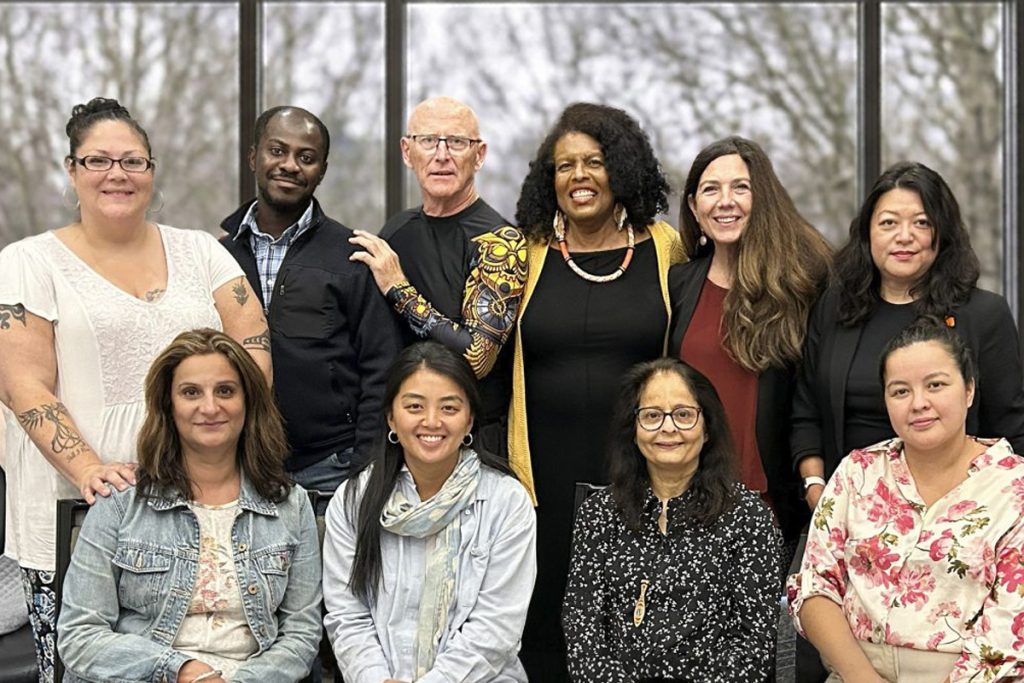
The current members of the Anti-Racism Data Committee were announced on September 29, 2025.
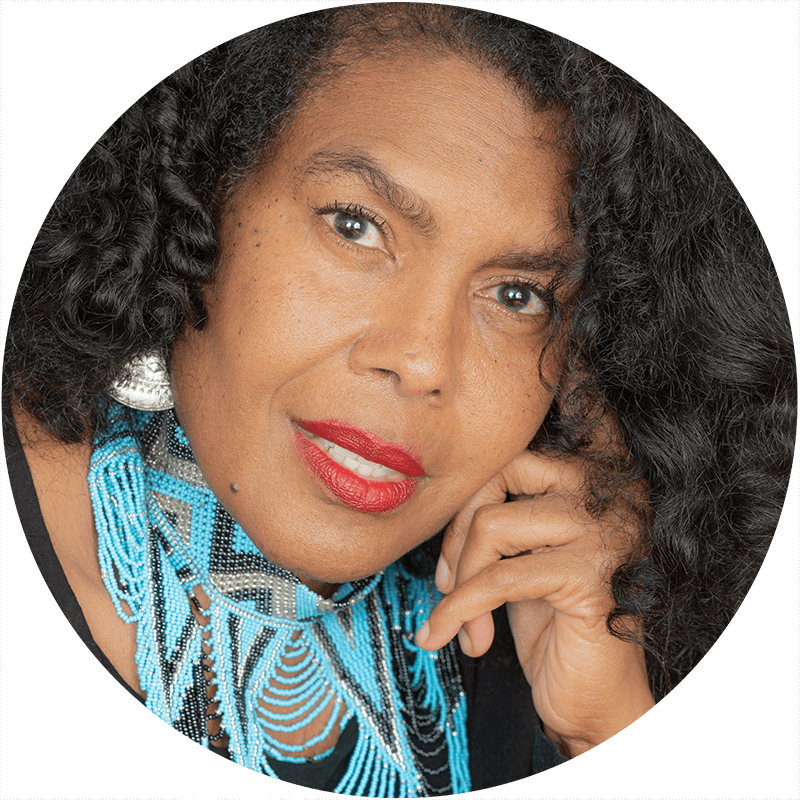
June Francis LLB, PhD
Committee chair, Co-founder, Co-Laboratorio (CoLab Advantage Ltd.) and Director of the Institute for Black and African Diaspora Research and Engagement, Cofounder of the Black Caucus at SFU and a Professor in the Beedie School of Business at SFU
Francis is an advocate for equity, diversity and inclusion for racialized groups. She is chair of the Hogan’s Alley Society, whose mission is to advance the social, political, economic and cultural well-being of people of African descent through the delivery of housing, built spaces and programming. She is also director of SFU’s Institute for the Black and African Diaspora Research and Engagement, whose mandate is to strengthen the links between scholarly research, policy and practice related to multicultural and diaspora communities and their role in building innovative, sustainable and inclusive initiatives. Her research focuses on the intersection between racism and the academy and markets and marketing, diversity, inter-culturality, leadership and participatory engagement approaches and community impact, Covid-19 with vulnerable and excluded groups as well as the advancement of non-traditional intellectual property law, including traditional knowledge related to community well-being and cultural and human rights.

Shirley Chau, BSW, MSW, PhD (UofT)
Associate professor, school of social work, UBC Okanagan
Chau lives and works as a settler on the ancestral, traditional and currently occupied lands of the Syilx Okanagan people, who are residents and stewards of these lands since time immemorial. Chau was co-chair of the University of British Columbia (UBC) President’s Task Force on Anti-Racism and Inclusive Excellence (2021-2022) and a former chair and co-chair of the Race, Ethnicity and Cultural Issues Caucus of the Canadian Association of Social Work Education (CASWE-ACFTS).
She serves on the United Against Discrimination Coalition Committee in Kelowna, where her focus is to monitor and find solutions to issues related to discrimination and hate, and intersectional discrimination based on Indigeneity, gender, sexual identity, religion, age, racial-linguistic, ethnicity and other identities and factors in the Thompson Okanagan region of B.C.
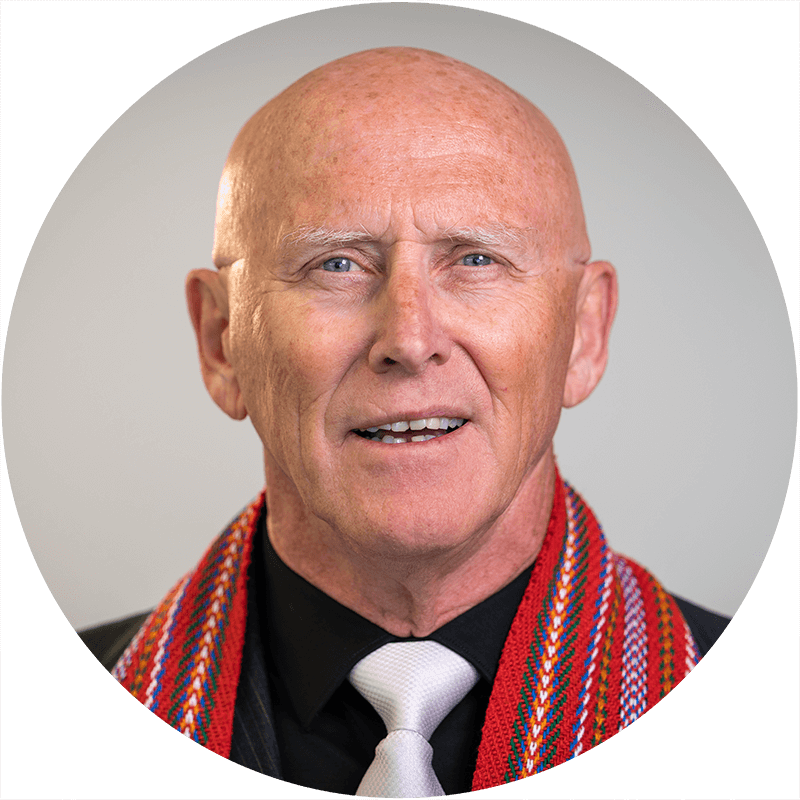
Donald Corrigal
Métis citizen and Environmental Public Health professional
Don has had a diverse and fulfilling career, reflecting his dedication to environmental public health, Indigenous cultural safety and athletic excellence.
From ensuring environmental public health practices to developing cultural health and safety curriculum for health-care professionals, Don has focused on fostering a safe and healthy environment in which communities can thrive. Don is currently focused on policy development, Indigenous cultural health, wellness and safety curriculum for health-care professionals in their interactions with Métis, First Nations and Inuit communities in B.C. Don also teaches Indigenous cultural health, safety and wellness to health-care professionals.
Don was also a high-performance athlete, competing nationally and internationally with global recognition in martial arts. He is an internationally certified master instructor in karate and holds the designation of registered professional coach with the Coaching Association of Canada in judo, soccer and Aboriginal sports. Don is nationally certified by Judo Canada as a self-defence instructor and teaches situational awareness and personal safety to community groups representing vulnerable populations, reflecting his commitment to promoting safety and awareness through martial arts.
Don’s commitment to public service extends to his current involvement as a member of the inaugural advisory committee under the provincial Anti-Racism Data Act, where he has contributed to shaping policies to combat systemic and structural racism.
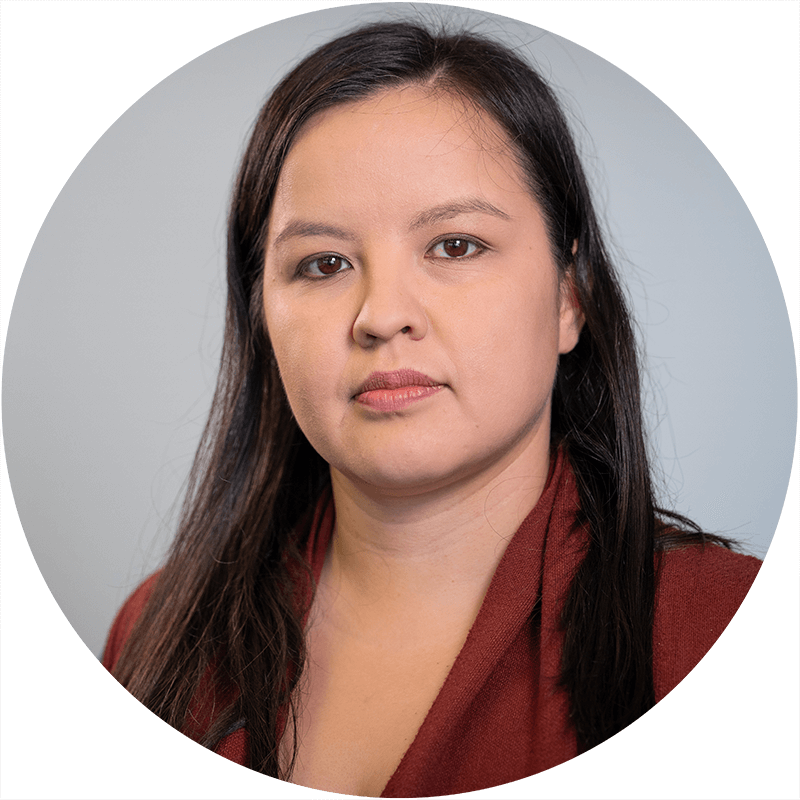
Marion Erickson
Research manager, Health Arts Research Centre
Marion Erickson is a Dakelh woman from the community of Nak’azdli and is a member of the Lhts’umusyoo (Beaver) Clan. She is happy to be serving as a committee member for the Anti-Racism Data Committee. She is a PhD student in Health Sciences at University of Northern British Columbia, where her research focuses on revitalizing Dakelh midwifery practice and advancing Indigenous-led learning opportunities for health-care providers. Marion also serves as the research manager at the Health Arts Research Centre and teaches Dakelh language as an instructor, supporting the revitalization and intergenerational transmission of Dakelh knowledge. She currently serves as a public member of the BC College of Oral Health Professionals.
Marion holds a Master of Education from Thompson Rivers University, a Bachelor of Public Administration and Community Development from University of Northern British Columbia and an Applied Business Technology Certificate from College of New Caledonia.
Across her work, Marion emphasizes that the health and well-being of Indigenous peoples are inseparable from the health of the land. She also recognizes art and storytelling as important relational practices that strengthen community connections and support collective action to address health inequities in northern communities.
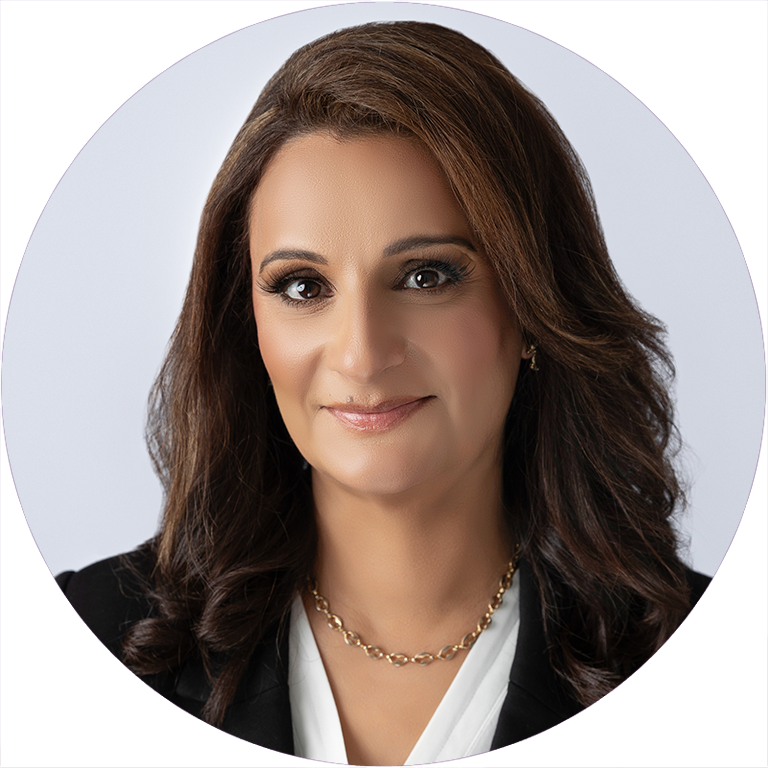
Daljit Gill-Badesha
CEO, Affiliation of Multicultural Societies and Service Agencies of BC
With more than 30 years of senior leadership in the non-profit and public sectors, Gill-Badesha brings expertise in executive management, research, knowledge mobilization, and policy development for children and youth, seniors, immigrant and refugee settlement, and accessibility and inclusion portfolios. She has developed award-winning, large-scale initiatives and strategies for long-term community planning and led changes in policies to make data collection and reporting more accessible within local government and add accountability measures on data related to racism and hate.
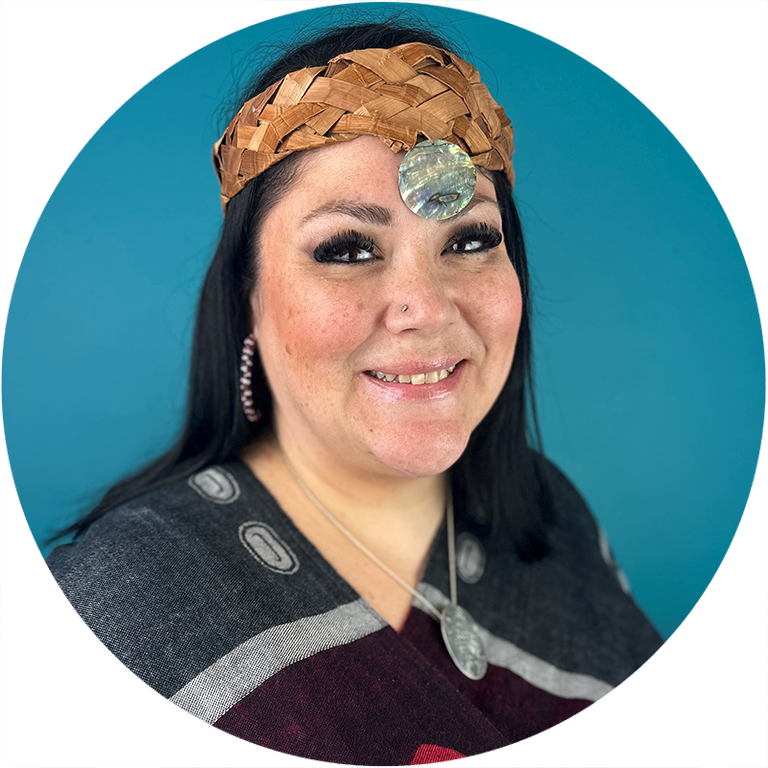
Jessica (t’łisala) Guss
Leader of strategic initiatives in Indigenous Health for Health Quality BC
Jessica (t’łisala) Guss is the Lead, Strategic Initiatives, Indigenous Health at Health Quality BC, where she leads organization-wide implementation of the BC Cultural Safety and Humility Standard. Her work focuses on advancing Indigenous-specific anti-racism, strengthening accountability in health systems and supporting culturally safe care for First Nations, Métis and Inuit Peoples.
She is of mixed ancestry, including the Haida, Xaxli’p, Xwisten and Squamish Nations, as well as mixed European descent. Her traditional name, t’łisala (Kwak’wala for “brings light to others”), reflects the values she brings to her work, uplifting communities, building relationships, and advancing equity.
With more than 20 years of experience in business administration and management, and over a decade dedicated to Indigenous health and wellness, Jessica brings expertise in policy development, standards implementation, and data governance, with a strong commitment to Indigenous data sovereignty.
Jessica currently serves in her second term on the Anti-Racism Data Committee, where she contributes Indigenous perspectives to support the safe and responsible use of demographic data to address systemic racism in public services and advance equity across government. She often describes this work as “moving at the speed of trust.”
In 2025, Jessica was recognized as one of BC’s Most Influential Women by Drishti Magazine, and in 2026 she was nominated for the YWCA Metro Vancouver Women of Distinction Award in the Health & Wellness category.
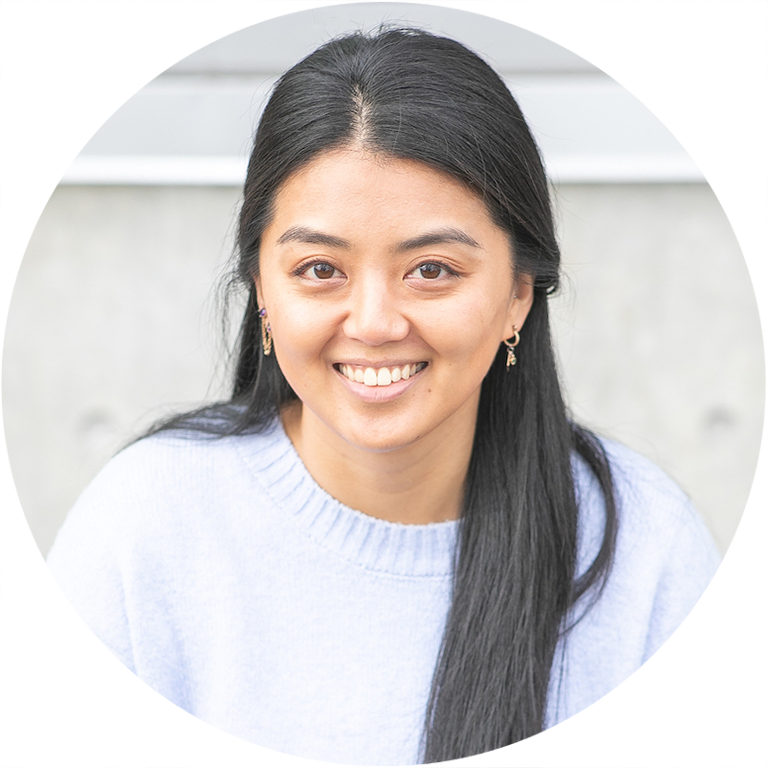
Ellen Kim
Equity and inclusion consultant
Kim is an equity and inclusion consultant working across government, corporate and labour contexts to advance equity and justice. Her work focuses on supporting organizations to identify and address systemic barriers and cultivate more humane and relational ways of working and being together.
She also co-leads a grassroots collective engaged in community-based research and organizing to address anti-Asian racism. Using community-generated data, they challenge dominant narratives and work to disrupt the systemic invisibility of anti-Asian racism in national policy and public discourse.
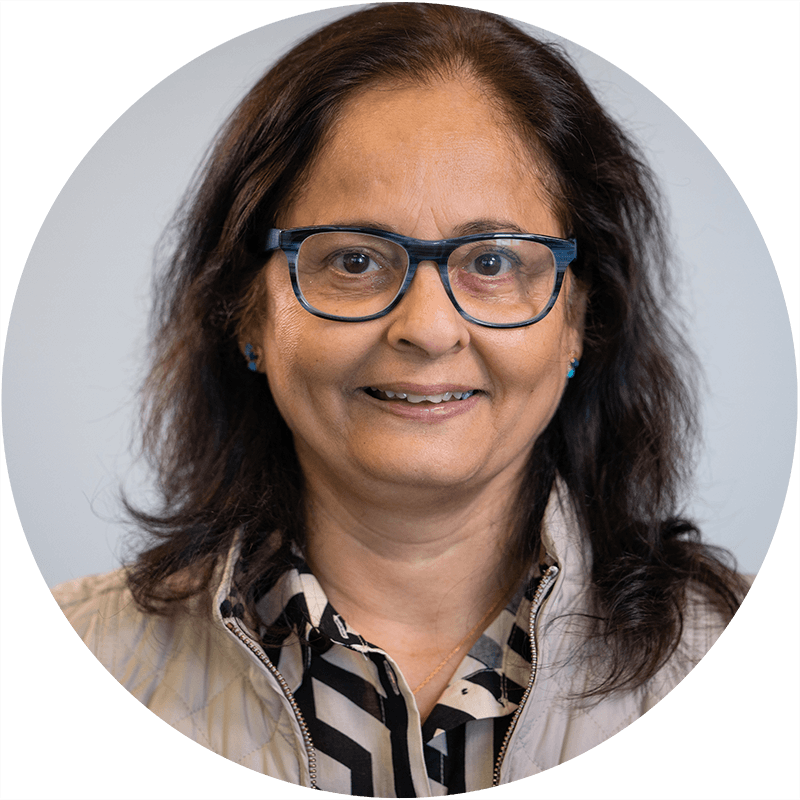
Zareen Naqvi
Director, Institutional Research and Planning, Simon Fraser University
Naqvi completed her PhD in economics at Boston University and worked as an academic and international development professional at the World Bank. She leads the equity, diversity and inclusion data working group at SFU and co-chairs the data governance council and other related projects. She is passionate about improving data access to ensure vulnerable groups are well represented in public services and higher education.
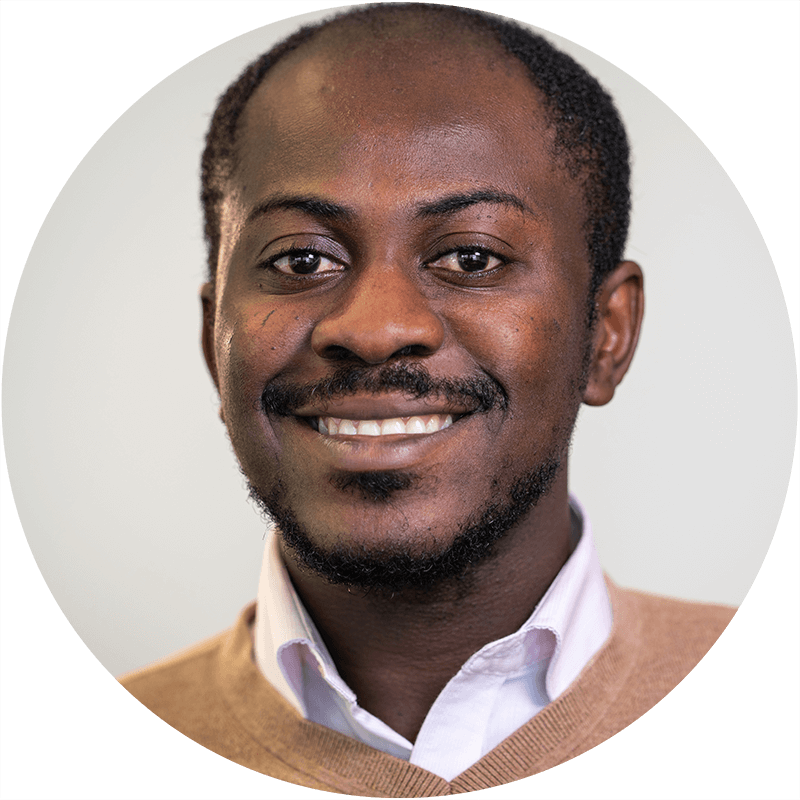
Smith Oduro-Marfo
Lead author and researcher, Black in B.C. report
Oduro-Marfo holds a PhD in political science from the University of Victoria. His area of academic interest since 2016 has been in issues of privacy, data protection, surveillance and identification systems. He is the lead author and researcher for the Black in B.C. report funded by the B.C. government and released in February 2022. He has been on the advisory committee for Ending Violence Association of B.C.’s anti-racism and hate response program and is a member of the Greater Victoria Police Diversity Advisory Committee.
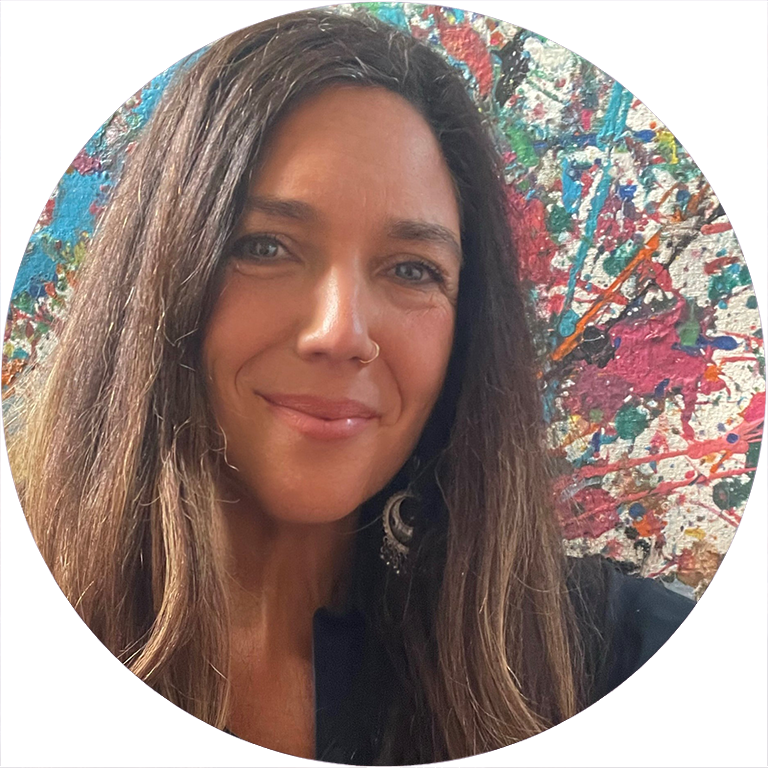
Jacqueline Quinless
PhD, Adjunct Professor, Public Sociologist & Data Justice Advocate
A public sociologist and BIPOC researcher, Jacqueline is a biracial person of Indian ethnicity (Secunderbhad/Hyderbhad) and Irish/British ancestry living on the traditional and ancestral territories of the Lekwungen peoples, Wsanec and Esquimalt Nations on Vancouver Island with her family.
As a senior data advisor, she has worked in community-based research partnerships with Indigenous, racialized and gender expansive communities for more than 20 years using gender-based analysis (GBA+) and decolonizing frameworks. In 2013, she was publicly recognized by the Canadian Sociological Association and the Angus Reid Foundation and was the recipient of the Angus Reid Awarded for her community-based research that has advanced human welfare in Canada. She is the author of “Decolonizing Data: Unsettling Conversations About Social Research Methods” (2022), University of Toronto Press, and the co-editor of “The Data Revolution: Confronting Data Colonialism and Reclaiming Digital Sovereignty” (2026), University of Toronto Press.
Jacqueline holds a PhD in Sociology with a focus on health, inequality, anti-racism, intersectionality, decolonizing data, applied statistics and gender from the University of Victoria. Jacqueline spent 10 years working for Statistics Canada in the Gathering Strength Initiative and has taught data analysis extensively in Indigenous communities across Canada and Inuit Nunangat. She completed a data fellowship during her postdoctoral work with the Council on Library and Information Resources (CLIR) in Washington, DC, and the University of Victoria where she focused on research data management practices, ethics and data curation, nationally and internationally. She is an adjunct professor in Sociology at the University of Victoria and enjoys teaching undergraduate and graduate courses at the University of Victoria and Camosun College on Vancouver Island.